Common Software Development Mistakes (and How We Avoid Them)
February 20, 2026
In today’s fast-paced digital landscape, software development plays a critical role in business success. However, even experienced teams can fall into common pitfalls that lead to delays, increased costs, and poor user experiences.At Cyber Protect, we follow proven strategies to avoid these mistakes and deliver high-quality, scalable, and reliable software solutions. Below are some of the most common software development mistakes—and how we ensure they never impact your project.
1. Lack of Clear Requirements
Many software projects fail before they even begin due to unclear, incomplete, or constantly changing requirements. When the project scope is not properly defined, development teams may end up building features that do not align with the client’s business objectives or user expectations. This often leads to wasted time, increased costs, and multiple revisions.Unclear requirements can also create confusion among team members, resulting in inconsistent implementation, missed deadlines, and reduced product quality. Without a shared understanding of goals and deliverables, even highly skilled teams can struggle to produce successful outcomes.
Common Issues Caused by Poor Requirements
Misalignment between business goals and final product
Frequent scope changes (scope creep)
Increased development time and budget overruns
Higher risk of project failure
How We Avoid It
At Cyber Protect, we follow a structured and collaborative approach to ensure clarity from day one:
Conduct detailed requirement discovery sessions with stakeholders
Define clear project scope, goals, and success metrics
Create wireframes, prototypes, and user stories before development
Maintain proper documentation for transparency and reference
Use Agile methodologies to adapt while keeping goals aligned
By investing time in proper planning and requirement analysis, we ensure that every project starts on a strong foundation—saving time, reducing risks, and delivering exactly what our clients need.
2. Poor Communication
Effective communication is the backbone of any successful software development project. When communication breaks down between stakeholders, developers, designers, and project managers, it can lead to misunderstandings, incorrect implementations, delays, and costly rework.Poor communication often results in unclear expectations, missed requirements, and inconsistent workflows. For example, a small misunderstanding in feature requirements can lead to building the wrong functionality—wasting both time and resources. Additionally, lack of regular updates can leave stakeholders unaware of project progress, increasing frustration and reducing trust.In distributed or remote teams, communication challenges can become even more significant if proper systems and processes are not in place.
Common Issues Caused by Poor Communication
Misinterpretation of requirements and project goals
Increased errors and rework
Delays in project timelines
Lack of transparency and accountability
Reduced team productivity and collaboration
How We Avoid It
At Cyber Protect, we prioritize clear, consistent, and transparent communication throughout the development lifecycle:
Establish structured communication channels for all stakeholders
Use project management and collaboration tools (like Jira, Trello, or Slack) for real-time updates
Conduct regular stand-up meetings, sprint reviews, and status updates
Share progress reports and milestones with clients frequently
Encourage open feedback and quick issue resolution
By fostering a culture of open communication and collaboration, we ensure that everyone stays aligned, informed, and focused—leading to smoother workflows and successful project delivery.
3. Ignoring User Experience (UX)
A technically strong application can still fail if it does not provide a smooth and intuitive user experience. Users today expect fast, simple, and visually appealing interfaces. If your product is difficult to navigate or confusing to use, users are more likely to abandon it—no matter how powerful the features are.Ignoring UX not only impacts user satisfaction but also reduces engagement, conversion rates, and overall business growth. A poor user experience can damage your brand reputation and push users toward competitors.
Common Issues Caused by Poor UX
High bounce rates and low user retention
Confusing navigation and user frustration
Reduced conversions and engagement
Negative brand perception
How We Avoid It
Focus on user-centric design principles
Create wireframes and prototypes before development
Conduct usability testing with real users
Ensure responsive design for all devices
Continuously improve interfaces based on feedback and analytics
4. Skipping Testing Phases
In the race to launch quickly, many teams compromise on testing—one of the most critical phases of software development. Skipping or minimizing testing often leads to undetected bugs, system crashes, and security vulnerabilities that can severely impact users and business operations.A poorly tested product not only results in frequent failures but also increases long-term maintenance costs and damages customer trust.
Common Issues Caused by Inadequate Testing
Frequent bugs and application crashes
Poor performance under load
Security vulnerabilities and data risks
Increased cost of fixing issues post-launch
How We Avoid It
Implement comprehensive QA and testing strategies
Perform unit, integration, system, and performance testing
Use automated testing tools to improve efficiency and coverage
Conduct regression testing before every release
Maintain a dedicated QA team for quality assurance
5. Overcomplicating the Solution
One of the most common mistakes in software development is trying to do too much at once. Adding unnecessary features, overly complex architectures, or advanced functionalities that are not immediately required can slow down development and make the system harder to maintain.Complex systems are not only expensive to build but also difficult to scale, debug, and update. Simplicity, when done right, leads to better performance and easier long-term management.
Common Issues Caused by Overcomplication
Increased development time and costs
Difficult maintenance and debugging
Reduced system performance
Confusion for end-users
How We Avoid It
Follow a Minimum Viable Product (MVP) approach
Prioritize essential features based on business needs
Use clean, modular, and scalable architecture
Continuously refactor and optimize code
Avoid unnecessary technologies or tools
6. Lack of Scalability Planning
Many applications perform well initially but fail as user demand grows. Without proper scalability planning, systems can become slow, unstable, or even crash under increased load.Scalability is not just about handling more users—it’s about ensuring consistent performance, reliability, and flexibility as your business evolves.
Common Issues Caused by Poor Scalability
Slow application performance during peak usage
System crashes or downtime
Difficulty in handling increased traffic
Expensive infrastructure upgrades
How We Avoid It
Design scalable and flexible system architectures
Use cloud-based solutions for dynamic resource allocation
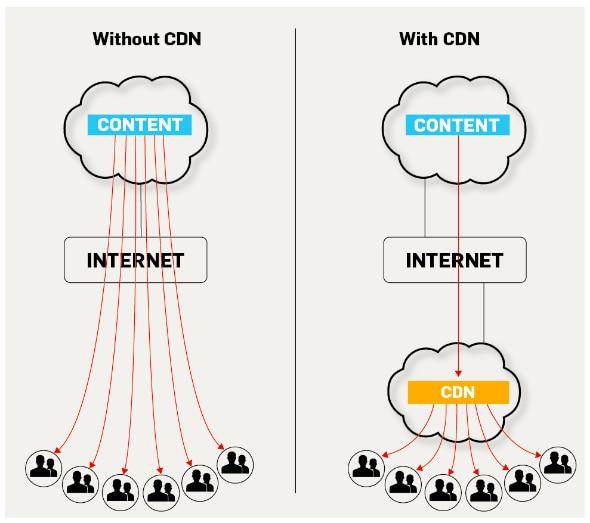
Implement load balancing and caching mechanisms
Optimize databases and backend performance
Plan scalability from the initial development phase
7. Inadequate Security Measures
Security is often treated as an afterthought in software development, but this can lead to serious consequences such as data breaches, financial loss, and damage to brand reputation.With increasing cyber threats, businesses must prioritize security at every stage of development. Even a small vulnerability can be exploited if proper safeguards are not in place.
Common Issues Caused by Weak Security
Data breaches and unauthorized access
Loss of customer trust
Legal and compliance issues
Financial and reputational damage
How We Avoid It
Follow industry-standard security best practices
Implement secure coding guidelines
Use encryption for sensitive data
Conduct regular vulnerability assessments and penetration testing
Keep systems updated with the latest security patches
8. Not Maintaining Proper Documentation
Documentation is often overlooked, yet it plays a crucial role in the long-term success of any software project. Without proper documentation, maintaining, updating, or scaling a system becomes significantly more difficult.It also creates challenges when onboarding new developers or transferring knowledge within teams, leading to inefficiencies and delays.
Common Issues Caused by Poor Documentation
Difficulty in maintaining and updating code
Knowledge gaps within the team
Slower onboarding of new developers
Increased dependency on specific individuals
How We Avoid It
Maintain clear, structured, and up-to-date documentation
Document code, APIs, workflows, and system architecture
Use standardized documentation practices
Ensure easy access to documentation for all stakeholders
Regularly update documents as the project evolves
Why Choose Cyber Protect?
At Cyber Protect, we don’t just develop software—we create reliable, scalable, and future-ready digital solutions tailored to your business needs. Our approach combines technical expertise, strategic planning, and a deep understanding of industry trends to deliver products that drive real results.We believe that successful software is not just about writing code—it’s about solving problems, improving efficiency, and creating seamless user experiences. That’s why our development process is carefully designed to minimize risks, optimize performance, and ensure long-term success.From initial consultation to final deployment and ongoing support, we partner with you at every stage of the journey—ensuring transparency, quality, and complete satisfaction.
Our Key Strengths
Experienced and Skilled Development Team
Our team consists of highly skilled developers, designers, and project managers with extensive experience across various technologies and industries. We stay updated with the latest tools, frameworks, and best practices to deliver cutting-edge solutions that meet modern business demands.
Agile and Transparent Workflow
We follow agile methodologies to ensure flexibility, faster delivery, and continuous improvement. With regular updates, sprint planning, and feedback loops, you are always informed about the progress of your project.
Strong Focus on Quality, Security, and Performance
Quality is at the core of everything we do. We implement strict quality assurance processes, robust security measures, and performance optimization techniques to deliver software that is reliable, secure, and efficient.
Client-Centric Approach
We prioritize your business goals and user needs above everything else. By understanding your vision and challenges, we deliver customized solutions that align perfectly with your objectives and provide maximum value.
End-to-End Development Services
From idea validation and UI/UX design to development, testing, deployment, and maintenance—we provide complete software development services under one roof, ensuring consistency and efficiency.
Scalable and Future-Ready Solutions
We build software that grows with your business. Our solutions are designed with scalability and flexibility in mind, allowing you to expand and adapt without limitations.
Dedicated Support and Maintenance
Our commitment doesn’t end at delivery. We provide ongoing support, updates, and maintenance to ensure your software continues to perform optimally as your business evolves.
Partner with Cyber Protect
Choosing the right development partner can make all the difference. With Cyber Protect, you gain a trusted technology partner dedicated to delivering excellence, innovation, and measurable results.Avoiding common software development mistakes is essential for delivering successful digital products. With the right strategies, tools, and expertise, businesses can ensure smooth development and long-term success.